
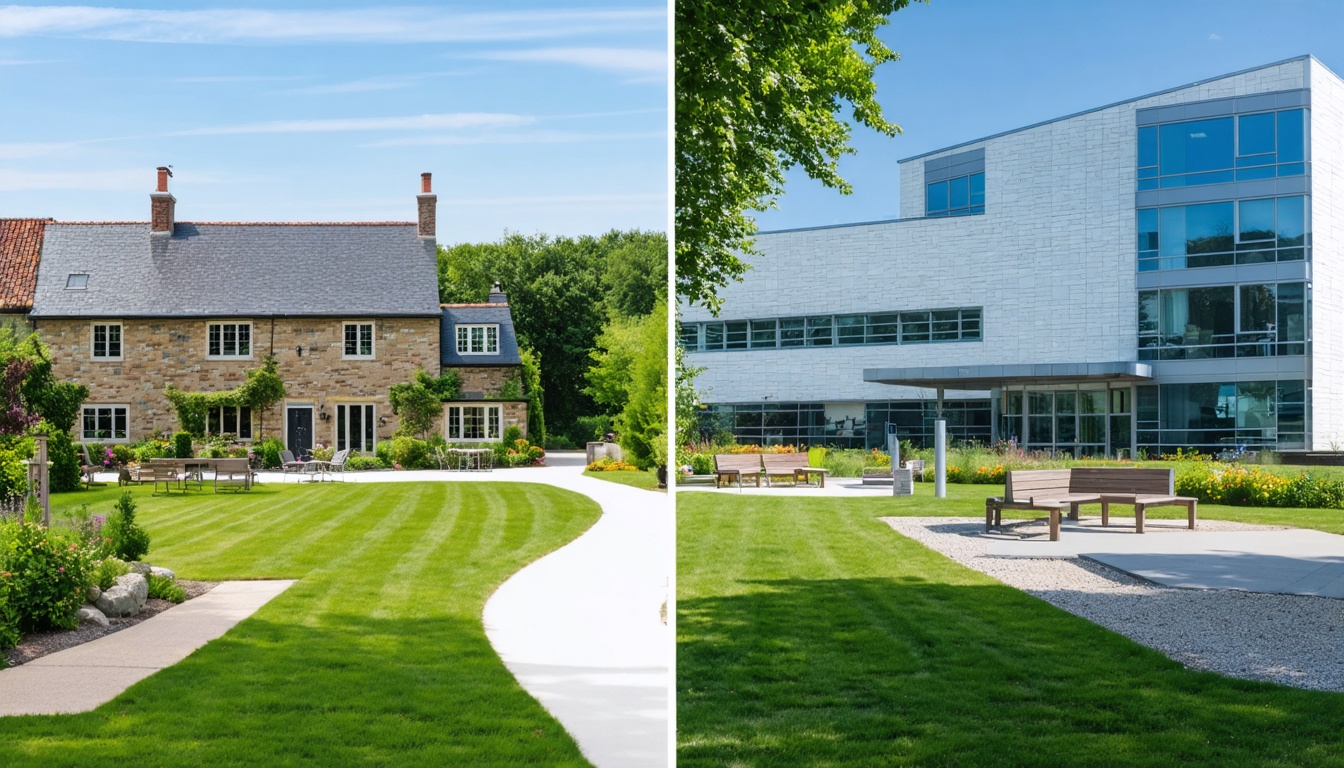
When exploring rehabilitation options, it is important to understand the distinctions between residential and inpatient programs. Both types of programs offer varying approaches, settings, and levels of support that can influence the recovery process.
Residential rehab typically involves a structured environment where individuals live on-site for an extended period. This format often emphasizes therapeutic activities, skill-building, and community support, with a focus on developing coping strategies and relapse prevention techniques. Residents engage in group and individual therapy sessions, life skills training, and often participate in wellness activities.
In contrast, inpatient rehab generally refers to a program where individuals receive 24-hour medical care and supervision. This is particularly beneficial for those with severe addiction or co-occurring mental health disorders requiring intensive treatment. Inpatient settings are more medically oriented, focusing on detoxification and stabilization before transitioning to other forms of treatment.
Both residential and inpatient programs can play significant roles in recovery; however, the choice between the two should be based on individual needs, the severity of the condition, and the level of support required. It is advisable for individuals to consult with a healthcare professional to determine which option aligns best with their circumstances.
1Definitions and Core Concepts
When assessing residential and inpatient rehabilitation options, it is important to understand the differing roles that each model plays and the specific needs they address.
Inpatient treatment involves intensive and immediate care typically provided within a medical setting, such as a hospital. This approach is directed toward individuals experiencing severe addiction or significant mental health disorders, necessitating continuous medical supervision and medication management.
The length of inpatient treatment usually varies from several days to a few weeks, with the primary aim of stabilizing the individual's condition.
On the other hand, residential treatment, commonly known as residential rehabilitation, provides a lower intensity of support. This model is designed for extended care, often lasting several months.
Residential programs focus on skill development and include therapeutic sessions that equip individuals with the necessary tools for daily functioning and support sustained long-term recovery.
Recognizing these differences is essential for making informed decisions regarding treatment options.
The decision between inpatient and residential rehabilitation should be informed by the specific requirements of the individual receiving treatment.
2Setting and Environment
The setting for rehabilitation significantly impacts the quality of care and the overall patient experience. Inpatient treatment is often delivered in a hospital environment, where individuals facing severe addiction or mental health disorders receive continuous care. This setting ensures constant supervision and the capability for immediate interventions, which is crucial for addressing urgent medical needs or crises that may arise in this population.
On the other hand, residential treatment operates in a less intensive environment that resembles a home. These facilities are structured to promote long-term recovery and facilitate the development of essential everyday living skills. A key feature of residential treatment is the emphasis on creating a supportive community atmosphere, which allows individuals to concentrate on their recovery over a more extended period.
It is important to recognize the differences between inpatient and residential treatment modalities when determining the most appropriate program for oneself or a loved one.
Factors such as the severity of the condition, the level of medical support required, and the potential for a supportive community should all be considered to make informed decisions tailored to the specific needs and circumstances of the individual.
3Level of Medical Supervision
Inpatient and residential rehabilitation programs serve individuals dealing with addiction or mental health disorders, but they differ significantly in the level of medical supervision they provide.
Inpatient treatment is marked by continuous medical oversight. Healthcare professionals are available 24/7, which is crucial for individuals experiencing severe conditions that may necessitate immediate medical intervention, ongoing medication management, or prompt care for acute psychological or physical issues.
This environment is essential for individuals in crisis or those who are at risk of serious complications arising from their disorders.
In contrast, residential treatment programs create a less intensive setting that focuses on skill development and therapeutic activities. Although these programs provide support and structure, they do not offer the same level of medical supervision as inpatient programs.
The primary emphasis is on counseling, life skills training, and fostering a supportive community among participants.
Understanding the differences between these two types of rehabilitation is crucial for making informed decisions about treatment options.
The selection between inpatient and residential care should be based on the severity of the individual's condition, specific needs, and the required level of medical support during recovery.
4Duration and Structure of Treatment
A distinct difference exists between inpatient and residential rehab programs in terms of their duration and structure.
Inpatient treatment is specifically designed for individuals dealing with severe addiction or mental health disorders that require immediate and intensive intervention. These programs typically operate 24 hours a day within a hospital environment, providing continuous medical supervision and medication management. This consistent oversight is crucial for effectively managing acute withdrawal symptoms and mental health crises.
In contrast, residential treatment offers a less intensive atmosphere, often set in homelike facilities located in various regions, including states such as California and New Jersey. For those in Stockton, exploring local options like Stockton Drug Rehab Centers can provide tailored support for long-term recovery.
This type of treatment prioritizes long-term recovery, skill development, and structured living. It supports individuals in acquiring coping mechanisms and life skills necessary for sustained sobriety.
Understanding the differences between these two treatment modalities is essential for making informed decisions regarding which option may be most suitable for an individual or a loved one, taking into account their specific needs and circumstances.
5Treatment Goals and Approaches
In addressing the needs of individuals facing addiction and mental health issues, inpatient and residential rehabilitation programs fulfill specific roles. Inpatient treatment centers focus on the immediate stabilization of acute symptoms associated with severe psychological or substance-related disorders. This form of treatment involves comprehensive medical intervention, including medication management and round-the-clock monitoring by healthcare professionals. It is designed for individuals who exhibit significant distress and require intensive care in a controlled environment.
On the other hand, residential treatment programs offer a less intensive yet structured approach to recovery. These programs prioritize the development of essential life skills, therapeutic engagement, and community-based support. Although individuals in residential settings still receive therapeutic interventions, the emphasis is placed on long-term recovery strategies and personal development within a supportive milieu.
Understanding the distinctions between inpatient and residential rehabilitation is essential for making informed decisions regarding treatment options. Each program is tailored to address specific needs and recovery processes, allowing healthcare providers and individuals to choose a suitable path based on the severity of the symptoms and the desired outcomes.
6Suitability for Different Conditions
When evaluating the appropriate level of care for addiction or mental health issues, it is important to distinguish between inpatient and residential rehabilitation programs.
Inpatient treatment is typically recommended for individuals experiencing severe addiction or acute mental health crises. This type of care provides immediate intervention under medical supervision, ensuring that assistance is available continuously in a hospital setting.
Conversely, residential rehabilitation is intended for individuals who have achieved a level of stabilization but still need a structured living environment, skill development, and ongoing therapeutic support. While it is generally less intensive than inpatient care, residential rehab offers a supportive community that can facilitate recovery.
Understanding the differences between these two types of programs is crucial for making an informed choice. Factors such as the individual's specific needs, their readiness for recovery, and the expected duration of treatment should be carefully considered in determining the most appropriate approach.
Conducting a thorough assessment can aid in selecting the program that best aligns with the individual's requirements, ultimately improving treatment outcomes.
7Benefits and Considerations
When evaluating treatment options for mental health or addiction, it is essential to understand the benefits and considerations of both residential and inpatient rehabilitation. Each approach has distinct characteristics that may make it more suitable for certain individuals based on their needs and circumstances.
Inpatient treatment is defined by its provision of intensive care, which includes 24/7 medical supervision and crisis intervention. This type of care is particularly beneficial for individuals facing severe mental health disorders or acute substance use disorders, as it offers immediate access to healthcare professionals and structured support systems.
The intensive nature of inpatient treatment can help manage crises effectively and stabilize patients who may be in critical conditions.
In contrast, residential treatment offers a more stable and community-oriented environment. This setting is designed to facilitate a gradual reintegration into everyday life, often over a period of several weeks to months.
Residential programs focus on the development of essential life skills, participation in therapy sessions, and fostering a supportive atmosphere that promotes long-term recovery. This type of treatment can be advantageous for individuals who require less acute intervention and are looking for a comprehensive therapeutic experience.
When making a decision, it is crucial to consider factors such as the expected duration of stay, the level of supervision required, and the specific geographical locations of facilities, including those in states like New Jersey, Colorado, and Florida.
Understanding these factors helps individuals and their families select the most appropriate treatment plan that meets their specific needs and aligns with their recovery goals.
8Selecting the Most Appropriate Program
Selecting the appropriate rehabilitation program requires a careful assessment of individual needs and situations. One must differentiate between inpatient and residential treatment options.
Inpatient programs are designed for individuals facing severe addiction or mental health disorders that necessitate immediate intervention, close medical oversight, and continuous care. This type of treatment is suitable for cases that are acute and require intensive support.
On the other hand, residential rehabilitation programs focus on providing longer-term assistance. They offer therapeutic sessions, skill-building activities, and a stable living environment conducive to daily functioning. These programs usually emphasize a holistic approach to recovery and feature a structured framework that spans an extended period.
When evaluating rehabilitation programs, several important factors should be considered, such as the anticipated duration of treatment, insurance coverage, and the presence of local support networks.
The effectiveness of these programs can differ based on the severity of the condition, the individual's goals, geographic factors—such as those found in New Jersey or California—and compliance with privacy regulations.
For tailored guidance and professional support, reaching out to healthcare providers or specialists in substance use and mental health disorders is recommended.
✓Conclusion
When considering the choice between residential and inpatient rehab, it is essential to evaluate your individual needs and circumstances. Residential rehab typically provides a supportive, home-like setting with an emphasis on long-term recovery. This approach often includes a variety of therapeutic options and is geared towards those seeking to establish a stable lifestyle while addressing their issues over an extended period.
In contrast, inpatient rehab is designed for individuals who require intensive medical care due to acute conditions. This setting typically involves more structured programs with constant medical supervision, catering to those in urgent need of treatment. The focus here is on stabilization and immediate intervention, which may be necessary for individuals experiencing severe symptoms or crises.
Factors to consider when choosing between these options include the severity of your condition, the availability and reliability of your support system, and your specific treatment goals. It is crucial to recognize that there is no universally optimal approach, as each individual's situation is unique. Therefore, careful consideration of your options is necessary to select the program best suited for your path to recovery.